México está de Moda. Mexico at FITUR 2026: a stand that transformed the fair into an immersive experience
The International Tourism Trade Fair (FITUR) 2026, held from January 21 to 25 at IFEMA Madrid, will go down in history as one of the most ambitious and dynamic editions of the world’s leading tourism event. In this context of innovation, business and international projection, Mexico emerged as one of the undisputed protagonists, not only due to its designation as Guest Country (Partner Country), but also because of the scale, concept and impact of its stand in the Americas Pavilion.
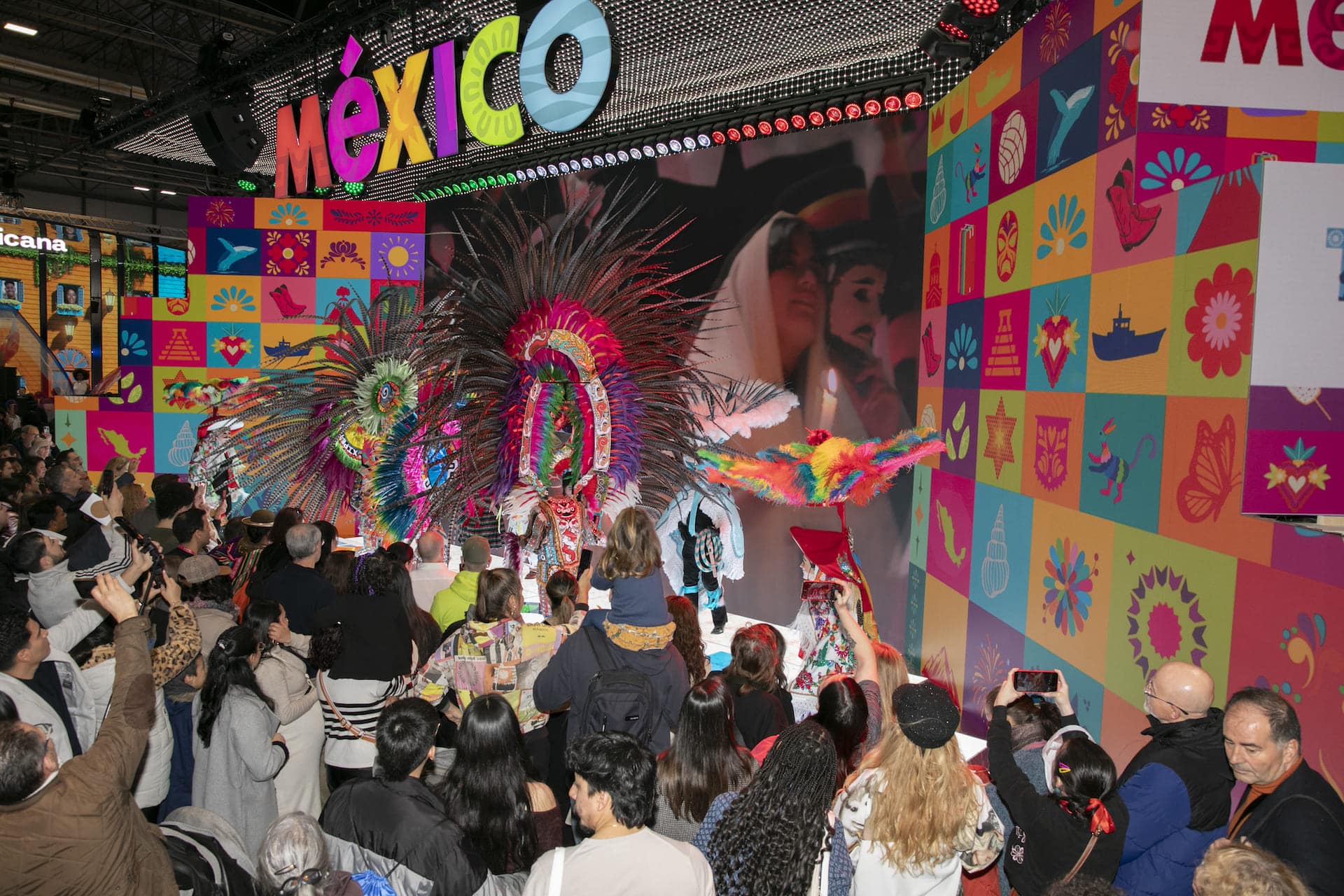
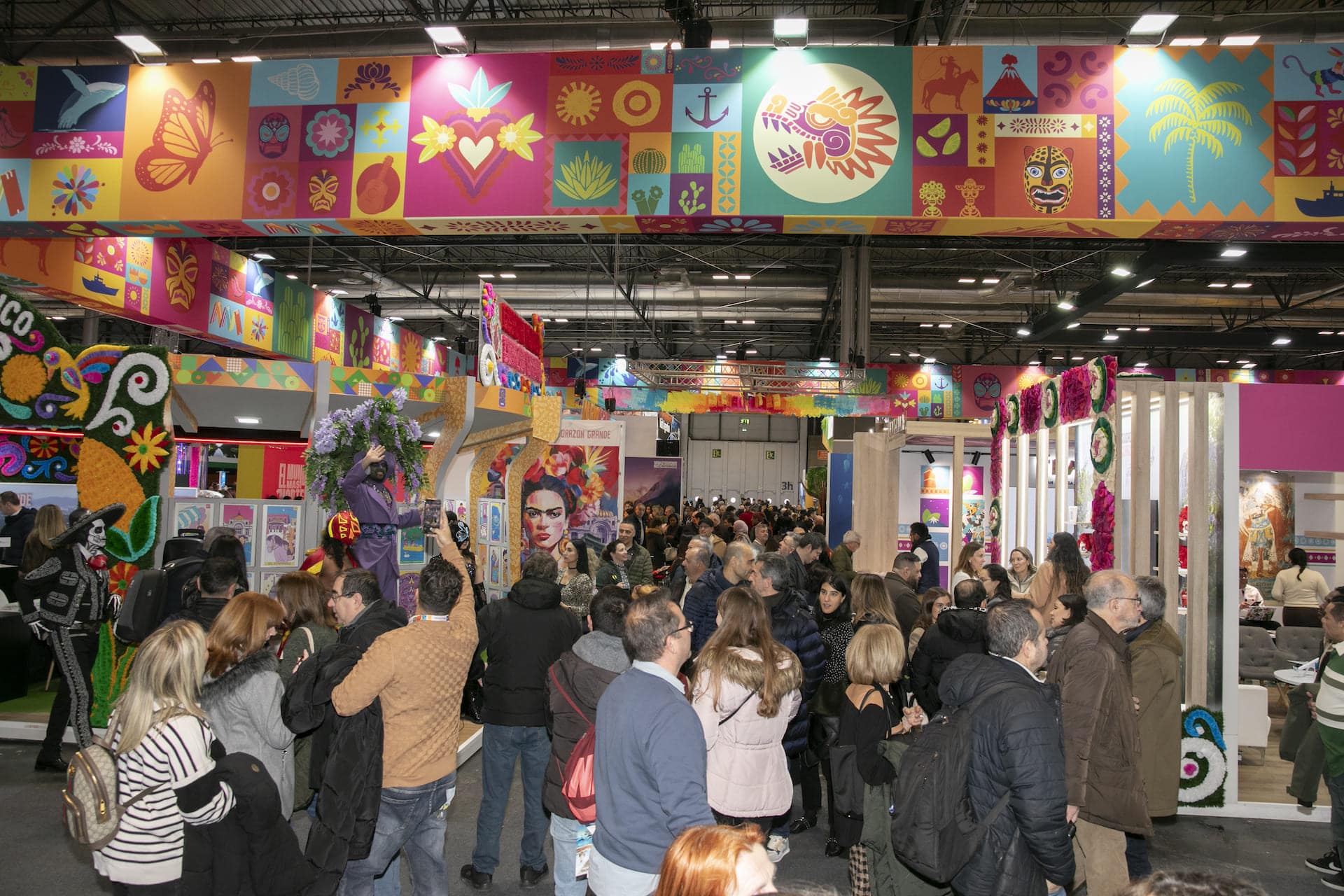
From the very first day, the Mexican space established itself as one of the most visited, photographed and talked-about areas of the entire fair. Its proposal went beyond the traditional exhibition format to become a truly immersive experience, designed to communicate, inspire and position the country as a global tourism powerhouse—diverse, dynamic and in constant evolution.
A space conceived as an experience, not a stand
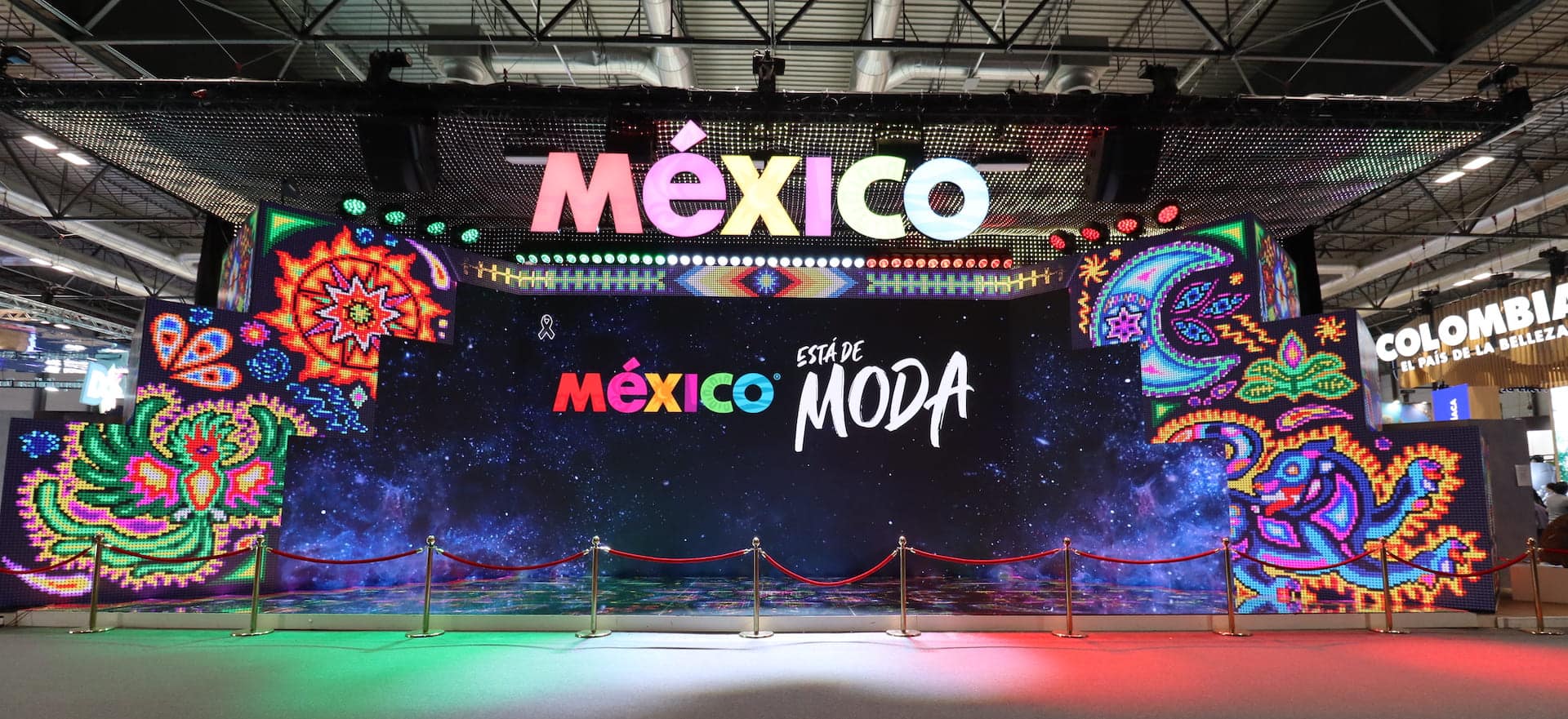
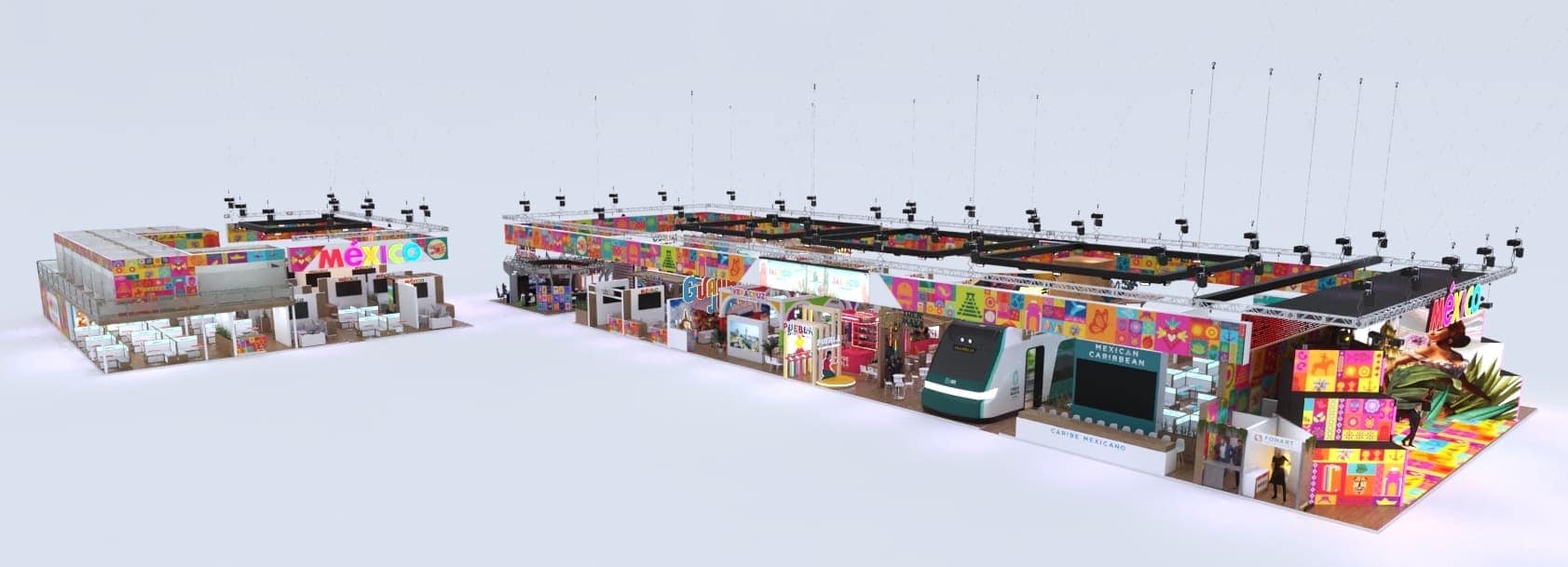
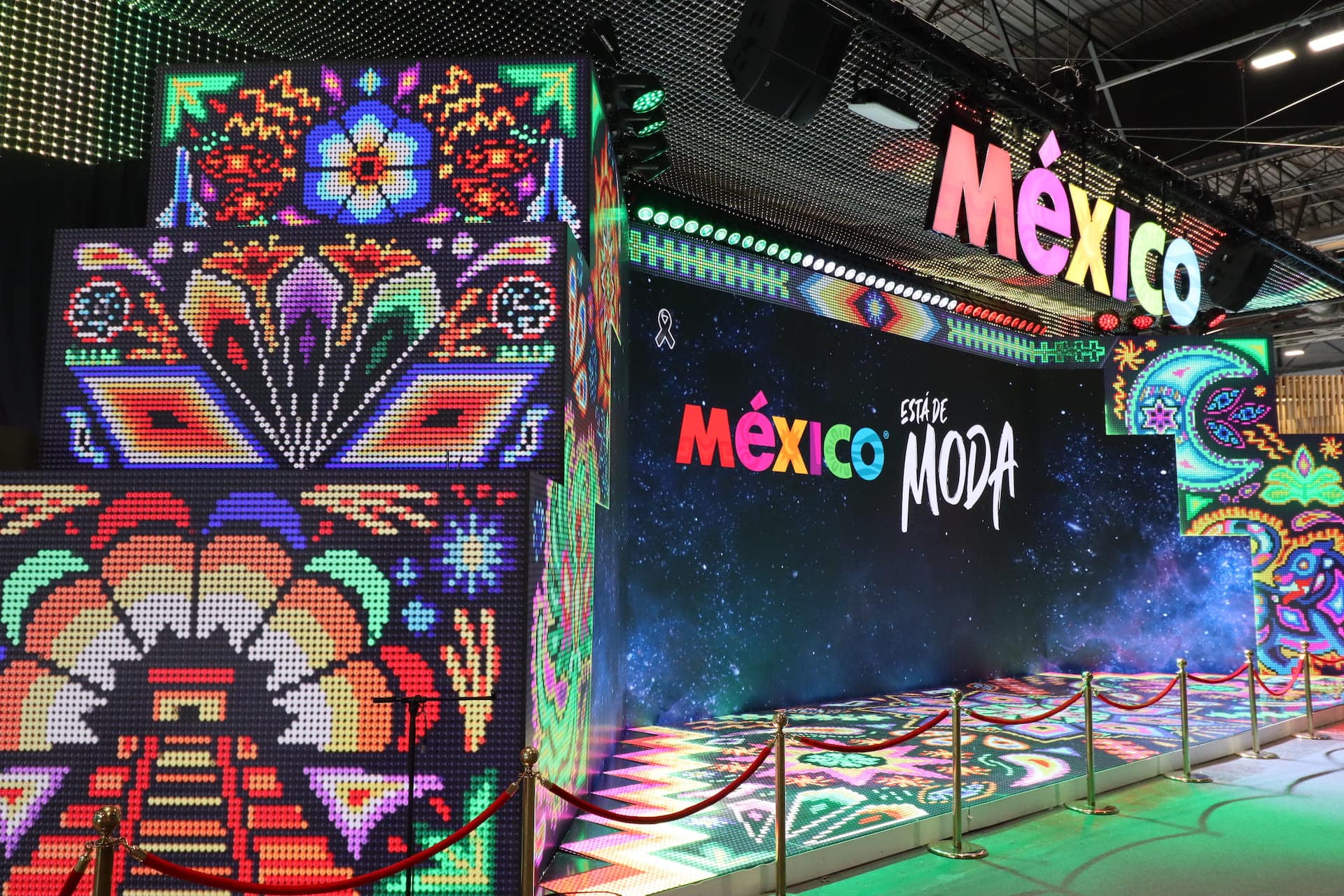
Strategically located in Hall 3, the Mexico stand was conceived as an enveloping environment from the very first moment. With more than 400 square meters of 2.2-pixel-pitch LED screens, the space was presented as a large-scale audiovisual set that captured visitors’ attention even before they crossed its physical boundaries.
Rather than opting for a fragmented or compartmentalized structure, the design embraced an open, fluid and fully immersive concept. Visitors did not enter a stand: they entered Mexico.
The ceiling, floor, rear and side walls were built entirely with LED screens, creating uninterrupted visual continuity. This approach made it possible to develop a narrative language in which images, colors and motion enveloped the audience, generating the feeling of a continuous journey across Mexico’s diverse landscapes.
Digital architecture and visual storytelling
One of the stand’s key differentiators was its focus on digital architecture. Every surface became a carefully designed narrative medium, with audiovisual content tailored pixel by pixel to perfectly adapt to the geometry of the space.
The screens were not limited to playing promotional videos; instead, they functioned as a dynamic canvas capable of showcasing natural landscapes, urban scenes, cultural elements, historical heritage and tourism experiences in a harmonious and coherent sequence.
Caribbean beaches, jungles, archaeological sites, major cities, deserts, Magical Towns and gastronomic settings unfolded organically, creating a sensory experience that invited visitors to travel across the country without ever leaving the exhibition hall.
The result was a living environment, in constant transformation, that sustained visitors’ interest throughout their entire stay.
A stand that engaged in dialogue with visitors
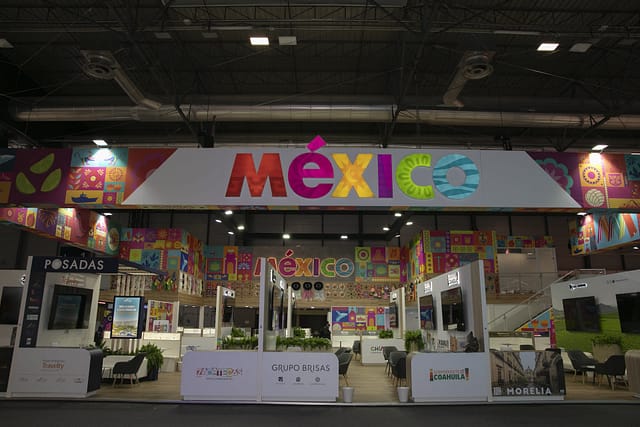
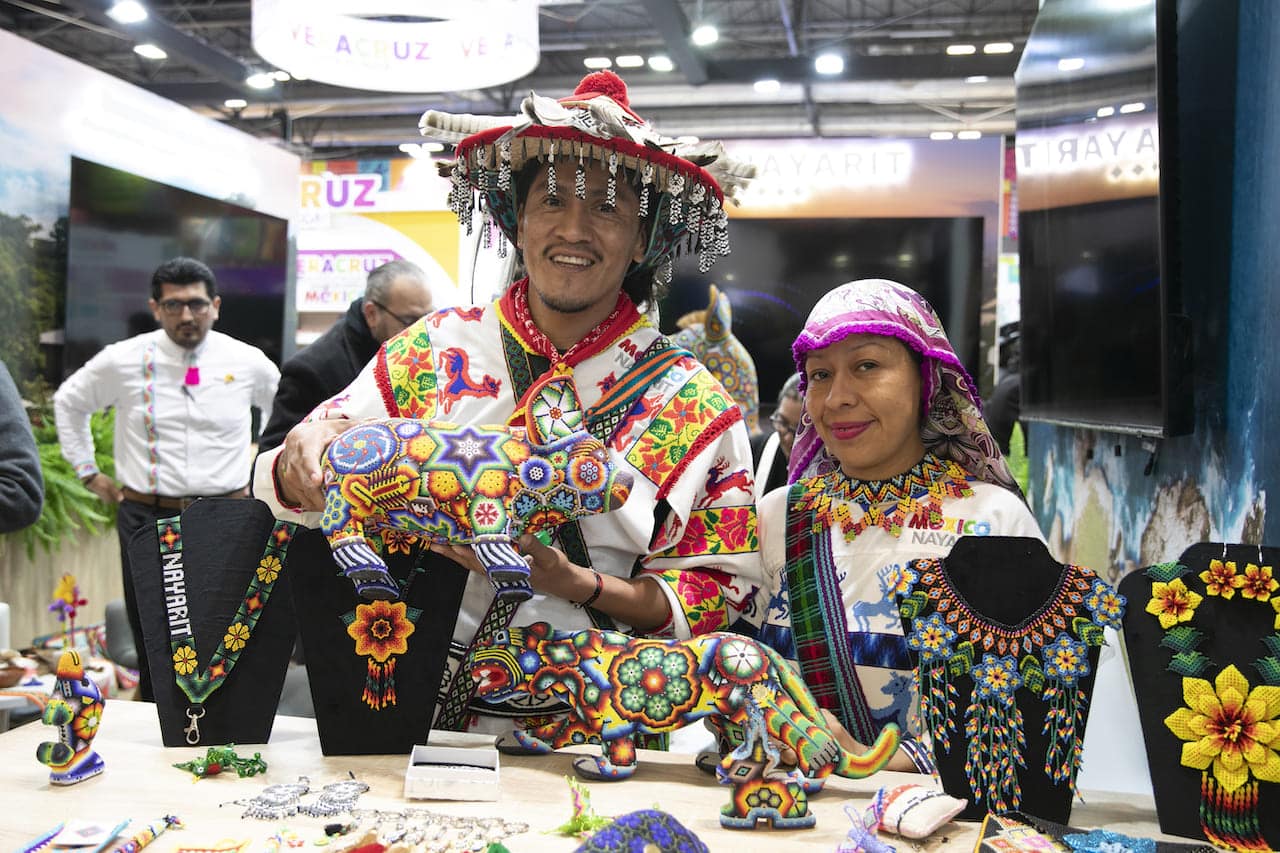
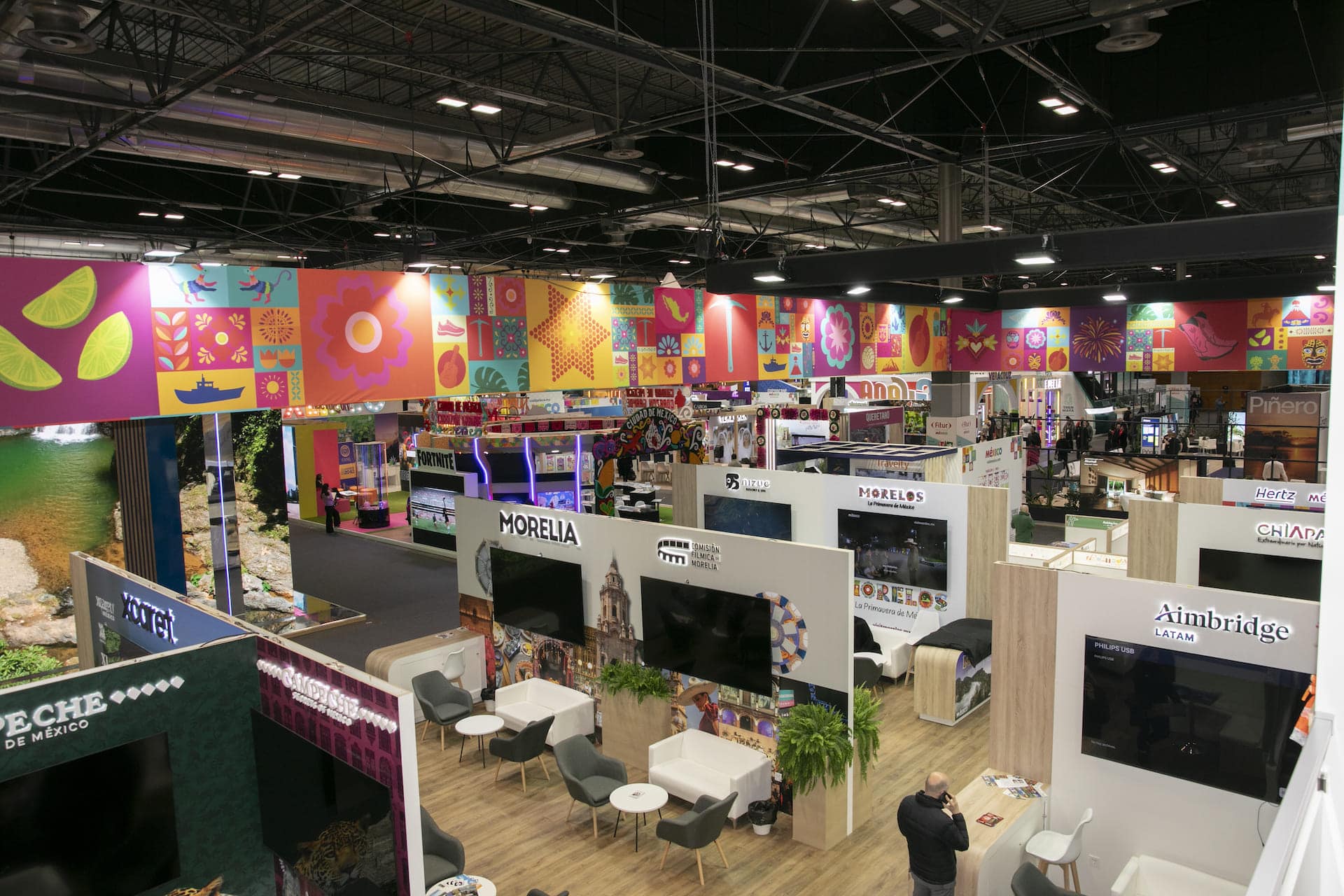
One of the clearest messages conveyed by the stand was the territorial and cultural diversity of Mexico. The presence of all 32 federal entities was reflected both in the audiovisual content and in the individual promotional agendas developed by different states.
Established and emerging destinations coexisted within a unified country narrative, highlighting the breadth of Mexico’s tourism offering—from sun-and-beach tourism to cultural, rural, gastronomic, community-based and nature tourism.
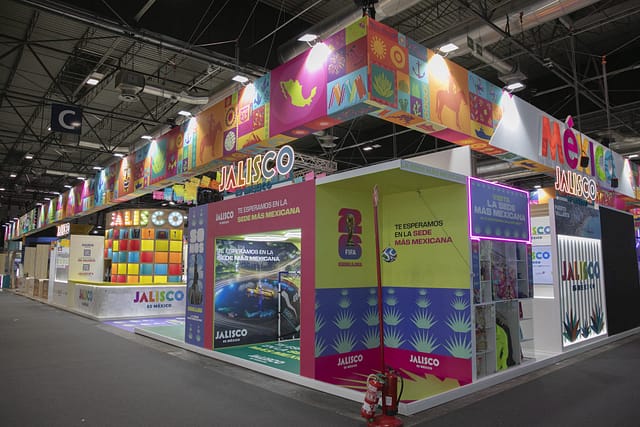
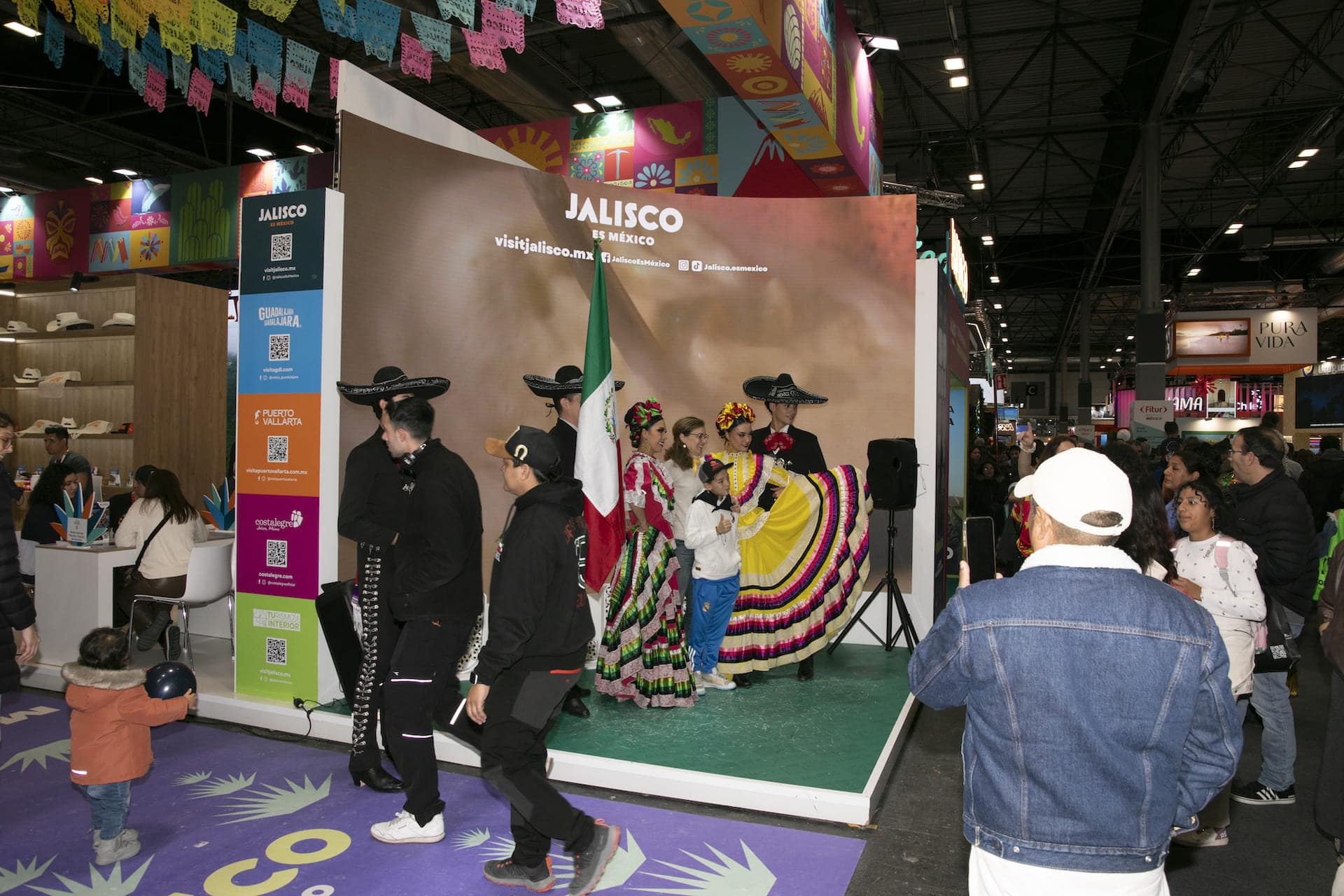
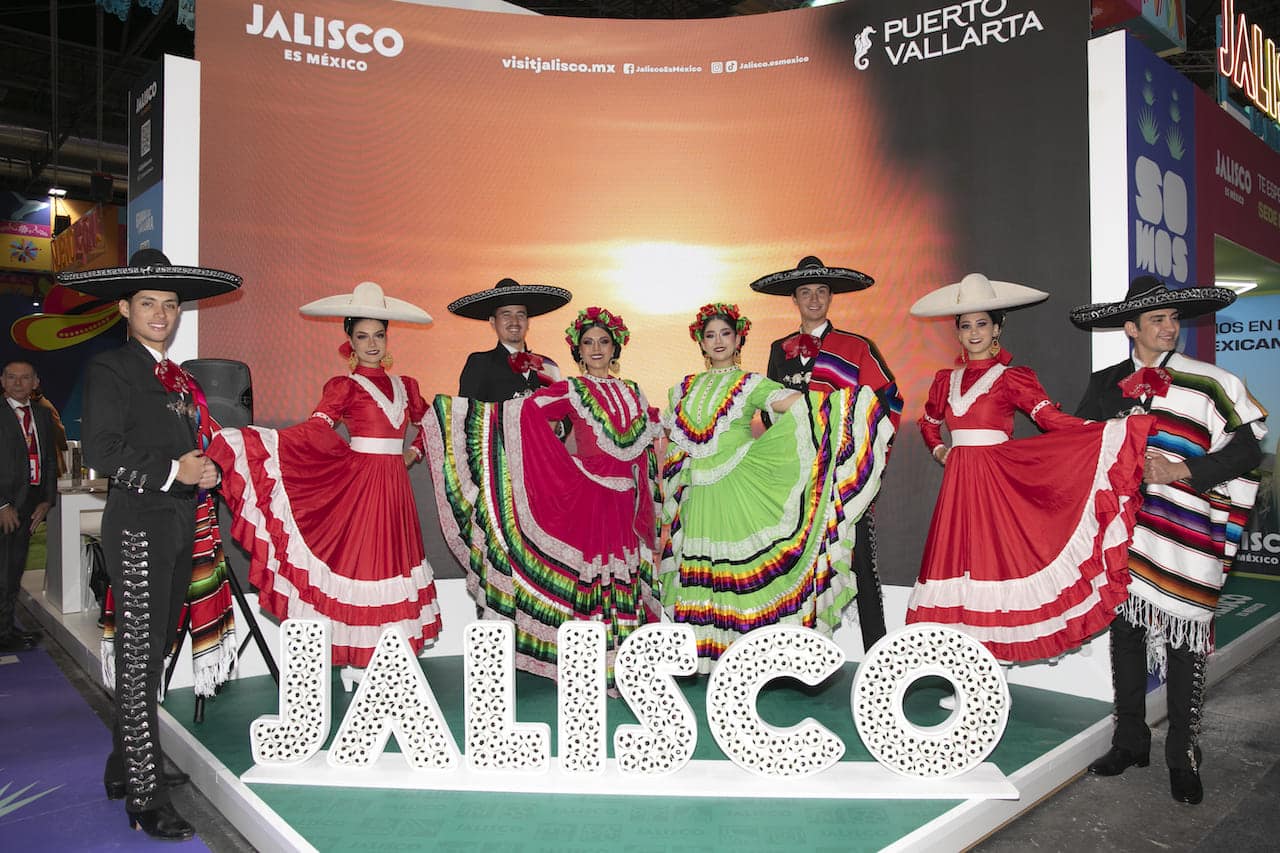
States such as Puebla, Michoacán, Jalisco and Mexico City, among others, featured dedicated visibility spaces and specific activities aimed at tour operators, investors and international media, reinforcing the idea of a plural and decentralized country.
Representing all 32 states: diversity as a core message
One of the clearest messages conveyed by the stand was the territorial and cultural diversity of Mexico. The presence of all 32 federal entities was reflected both in the audiovisual content and in the individual promotional agendas developed by different states.
Established and emerging destinations coexisted within a unified country narrative, highlighting the breadth of Mexico’s tourism offering—from sun-and-beach tourism to cultural, rural, gastronomic, community-based and nature tourism.
States such as Puebla, Michoacán, Jalisco and Mexico City, among others, featured dedicated visibility spaces and specific activities aimed at tour operators, investors and international media, reinforcing the idea of a plural and decentralized country.
Live culture, tradition and emotion
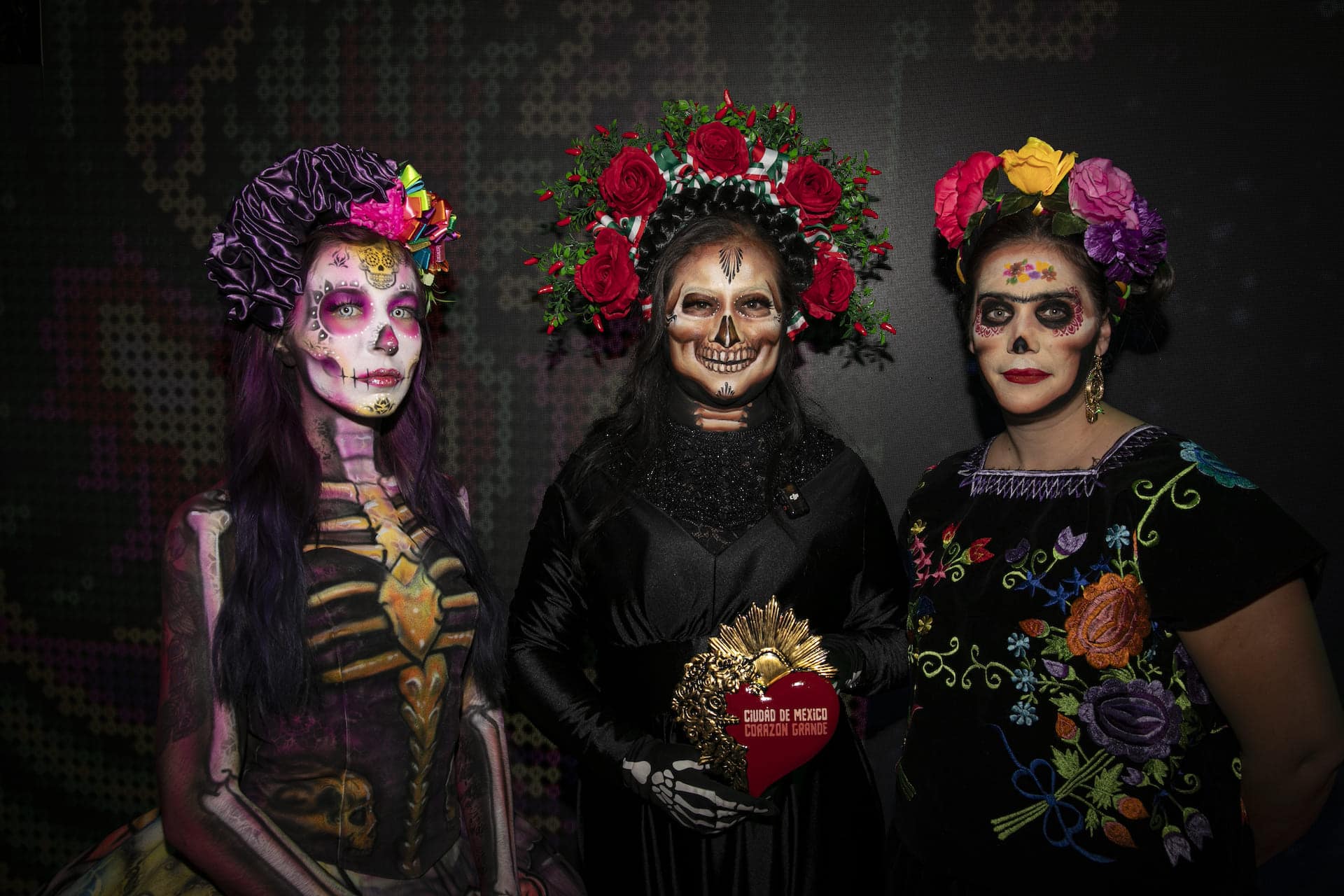
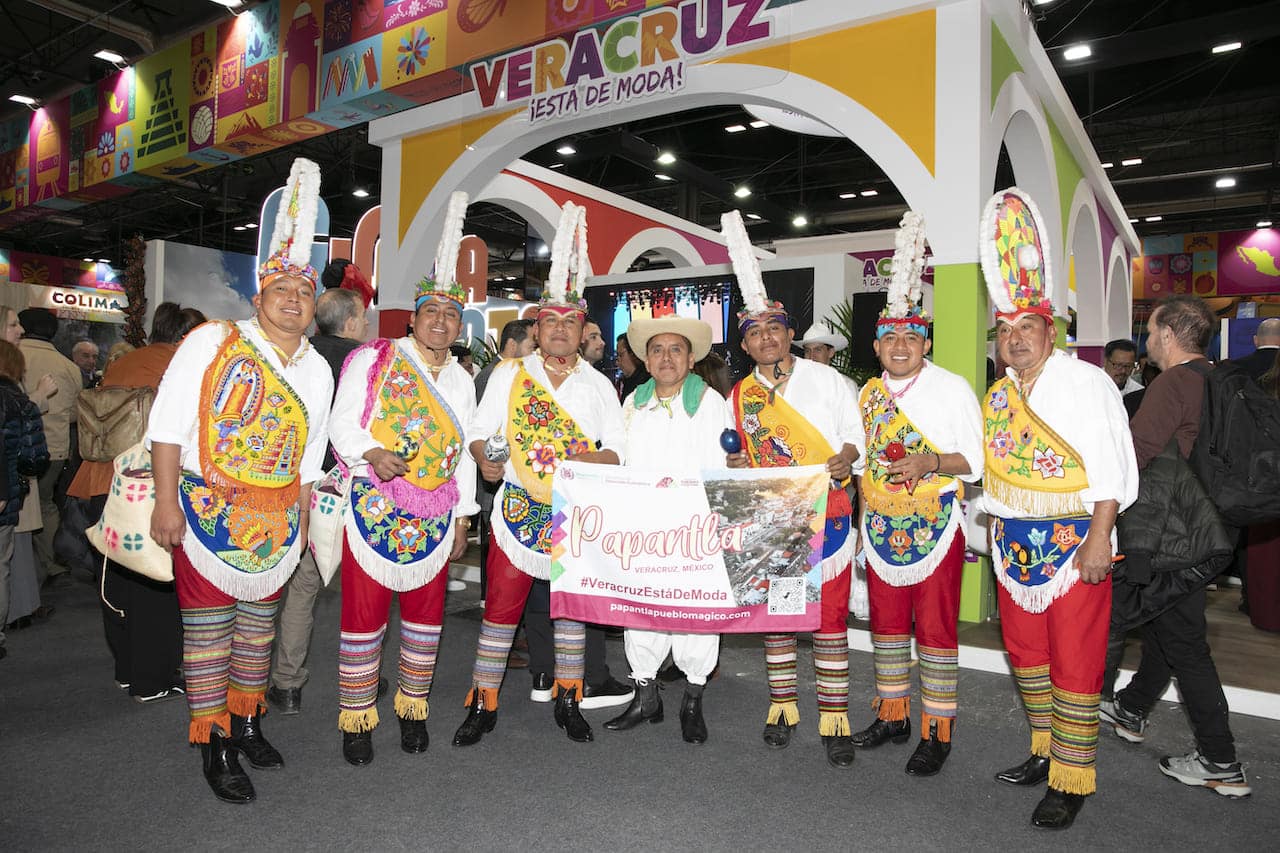
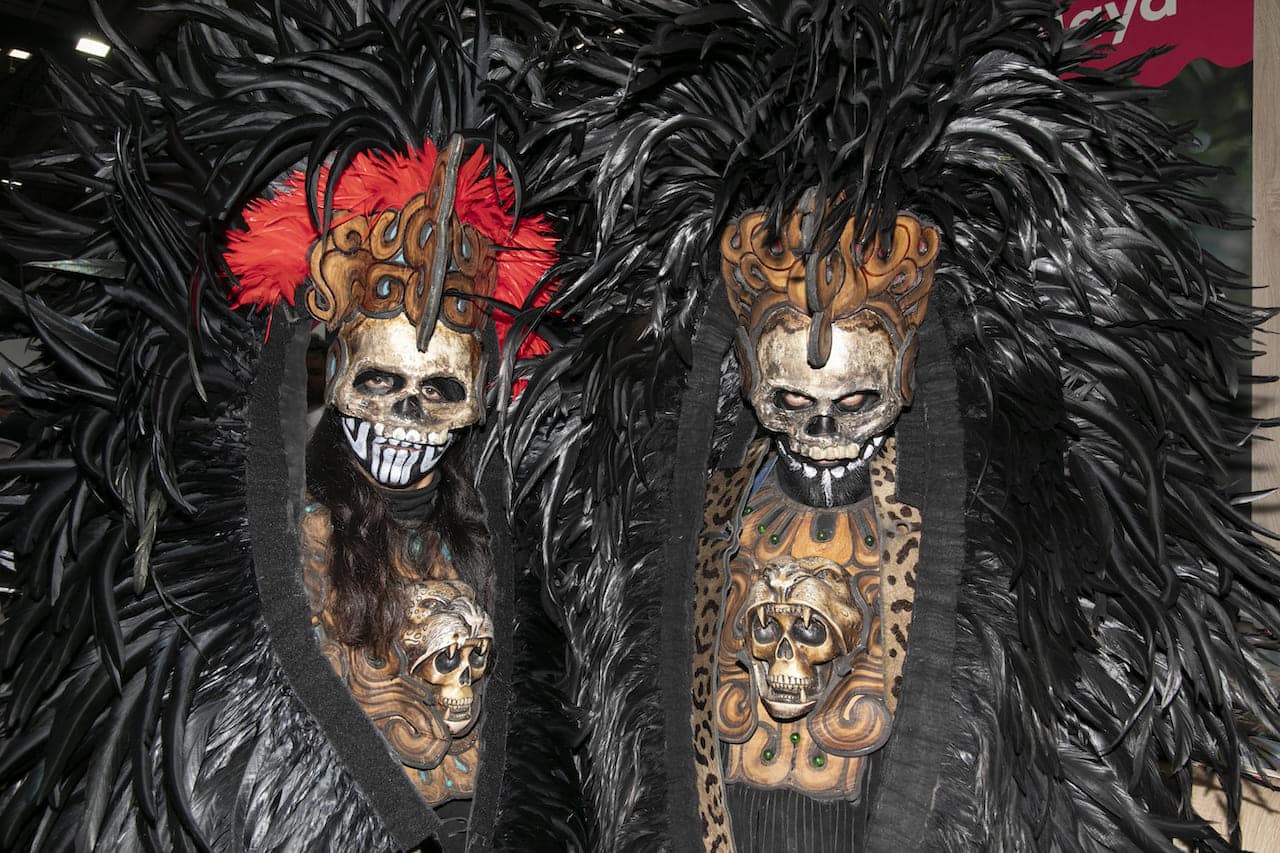
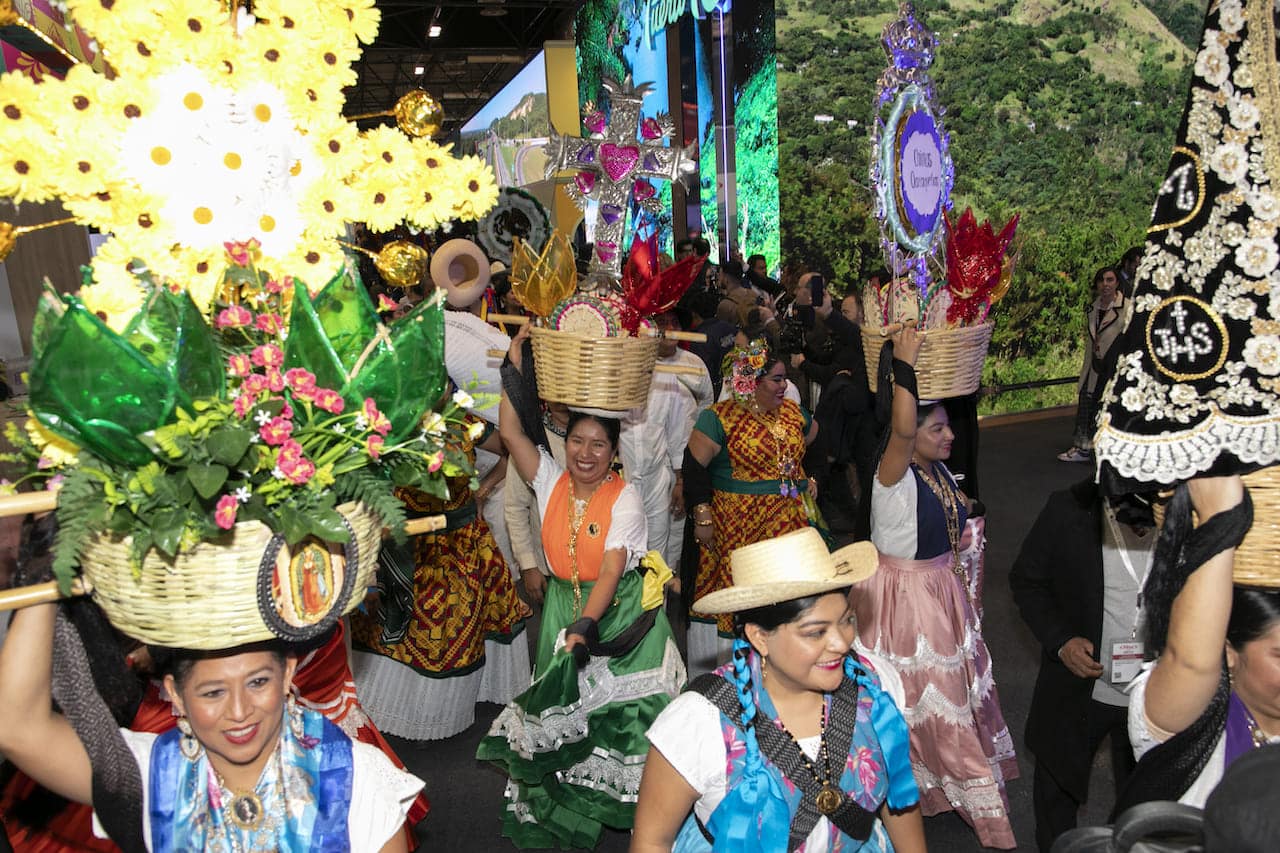
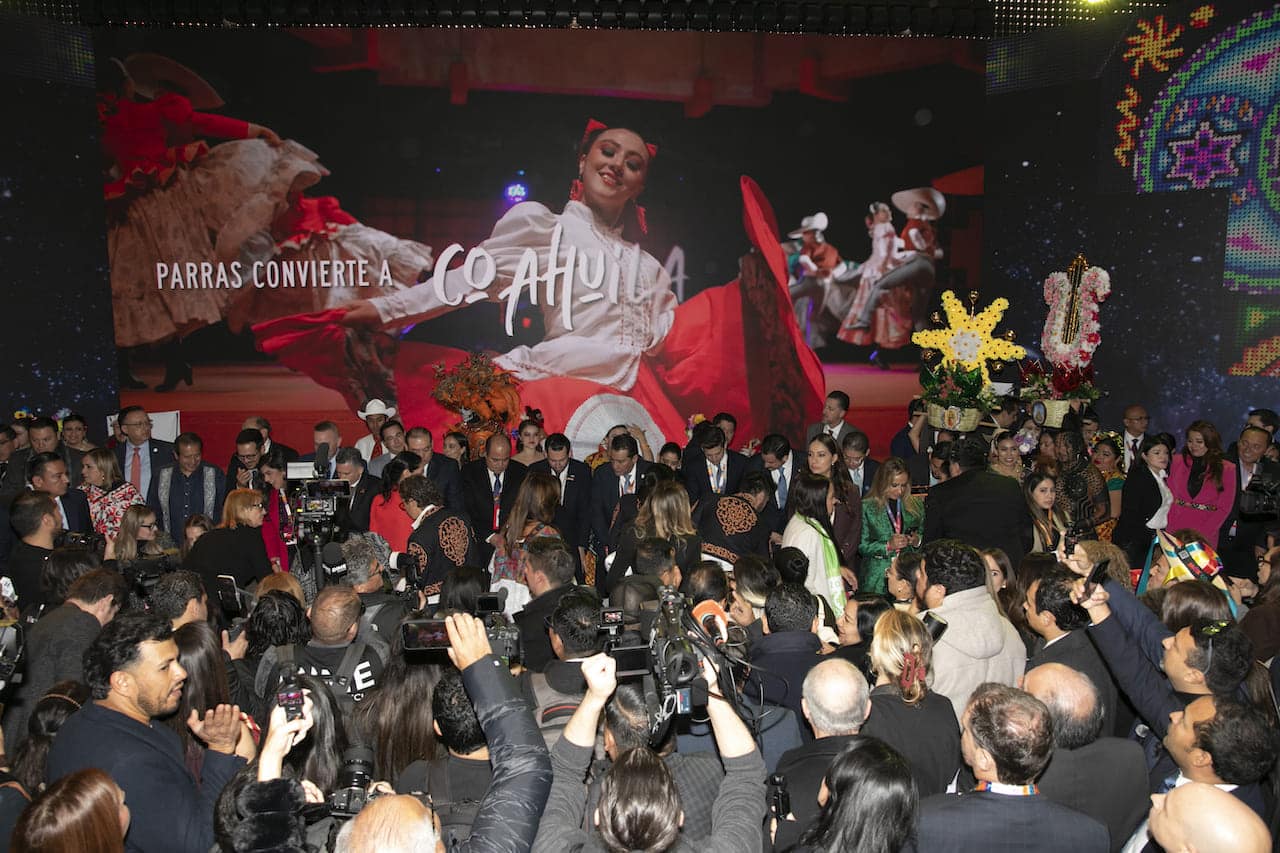
Beyond its technological component, the Mexico stand made a strong commitment to live cultural experiences. Throughout the fair, the space hosted traditional dance performances, musical acts and institutional events that added an emotional and human dimension to the visual narrative.
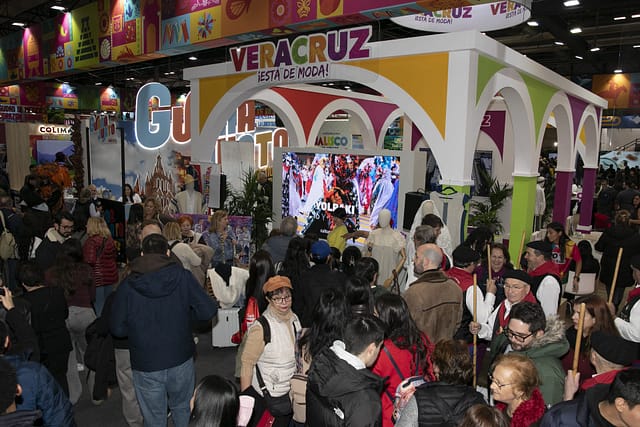
One of the most celebrated highlights was the presence of mariachi music, which became a constant point of attraction, drawing spontaneous crowds and reinforcing Mexico’s cultural identity before an international audience.
These activations not only enriched the visitor experience, but also generated highly shareable organic content on social media.
Gastronomy as a positioning tool
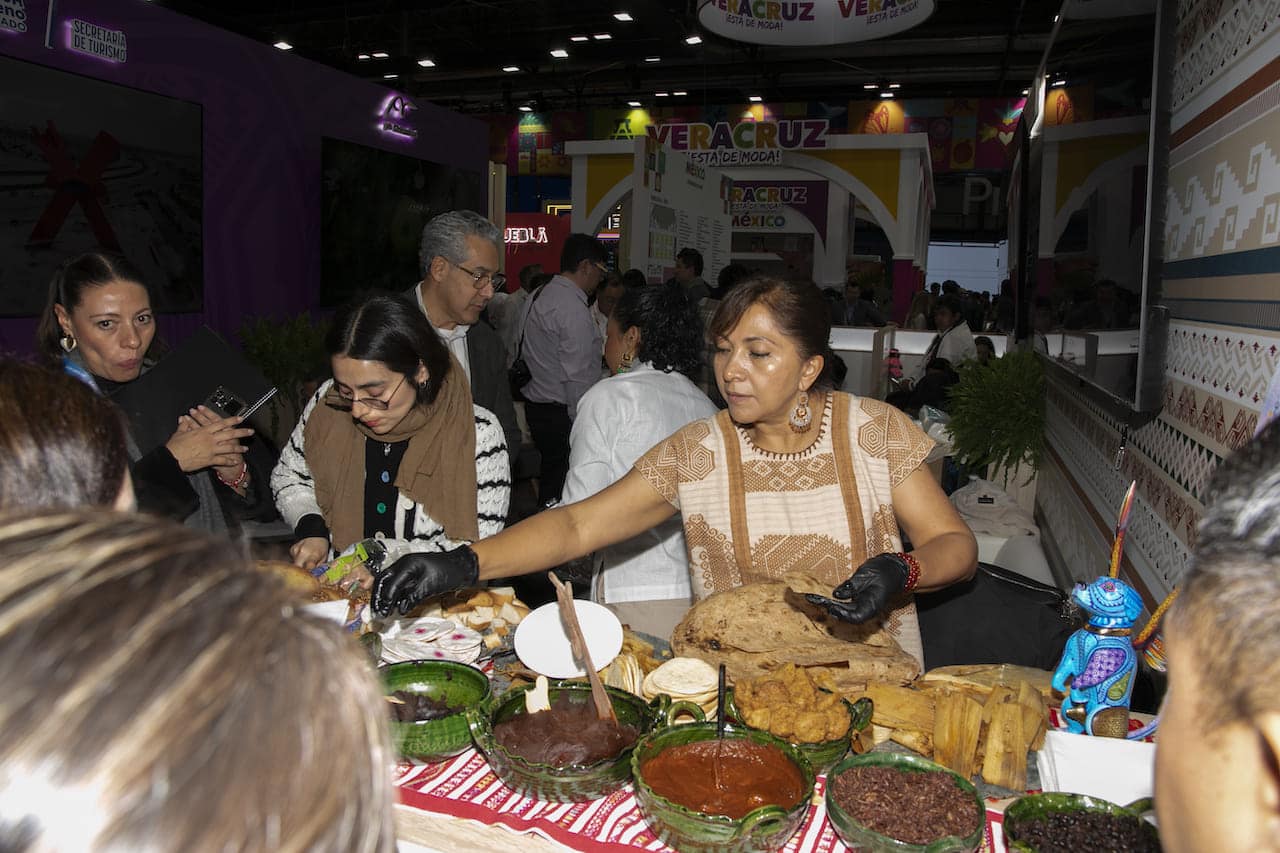
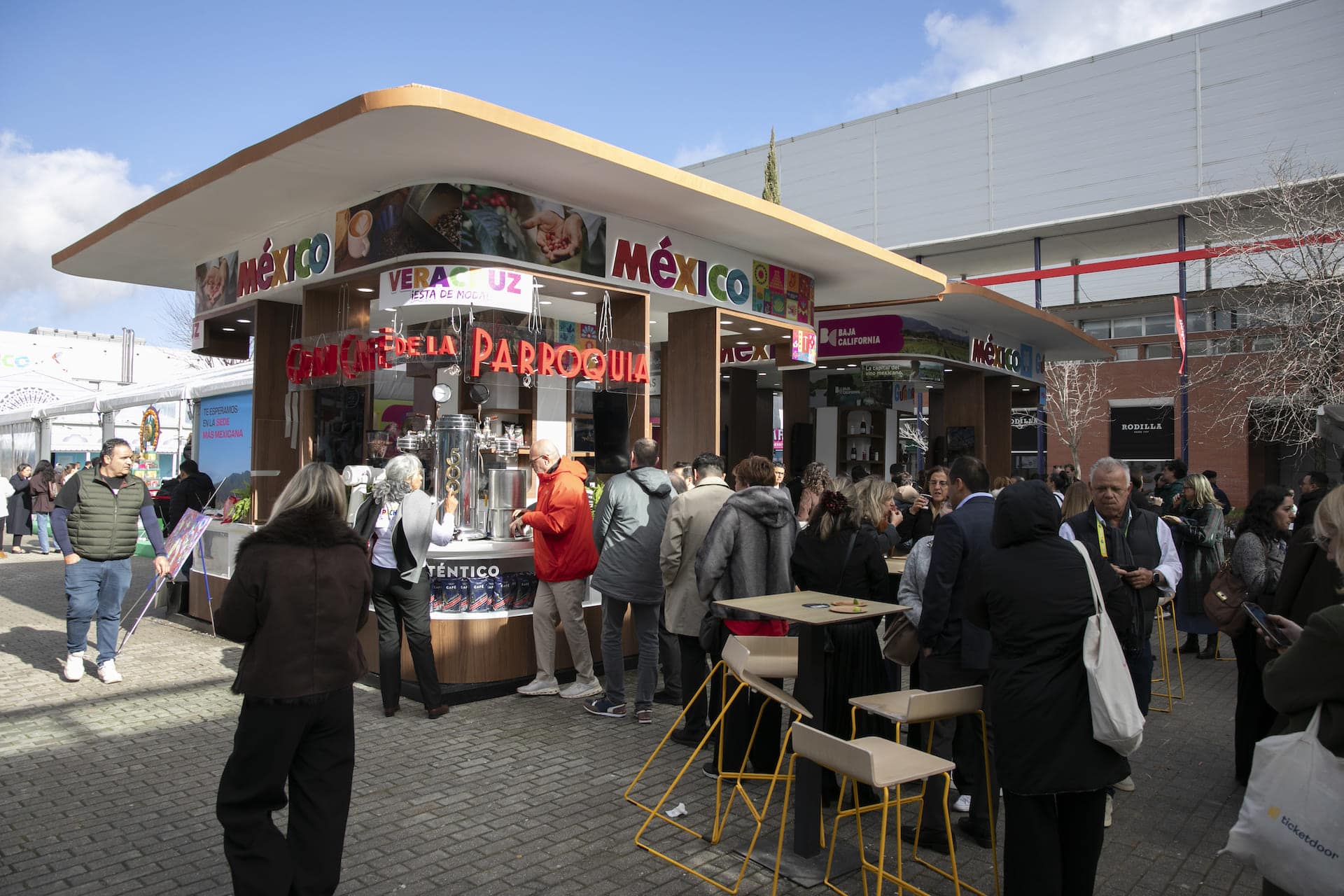
Gastronomy played a prominent role within the stand’s narrative. Tastings, culinary presentations and visual references to Mexican cuisine helped reinforce one of the country’s greatest assets as a tourism destination.
The gastronomic proposal was integrated into a broader storyline, where cuisine was presented as a cultural expression, an economic driver and a top-tier tourism attraction.
This approach helped position Mexico not only as a vacation destination, but as a country capable of offering complete, high-value experiences.
Mexico as Partner Country: a historic milestone
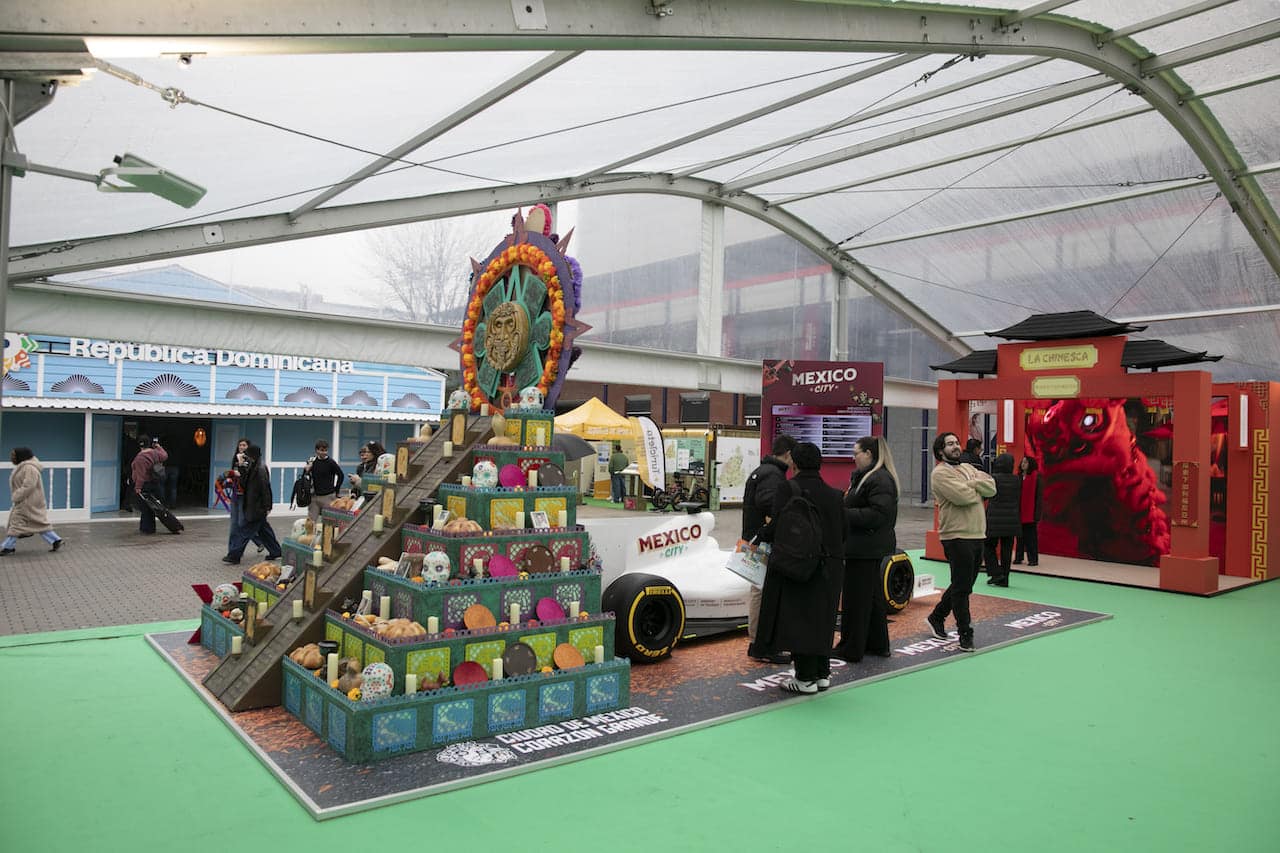
Mexico’s designation as Guest Country at FITUR 2026 marked a turning point in its relationship with the fair and with the European market. This distinction allowed the country to expand its presence beyond the exhibition grounds, with visibility actions across various locations in Madrid.
The Mexican delegation, led by Secretary of Tourism Josefina Rodríguez Zamora, emphasized throughout the event the strategic importance of FITUR as a platform for attracting investment, strengthening air connectivity and consolidating international partnerships.
A highly symbolic institutional visit
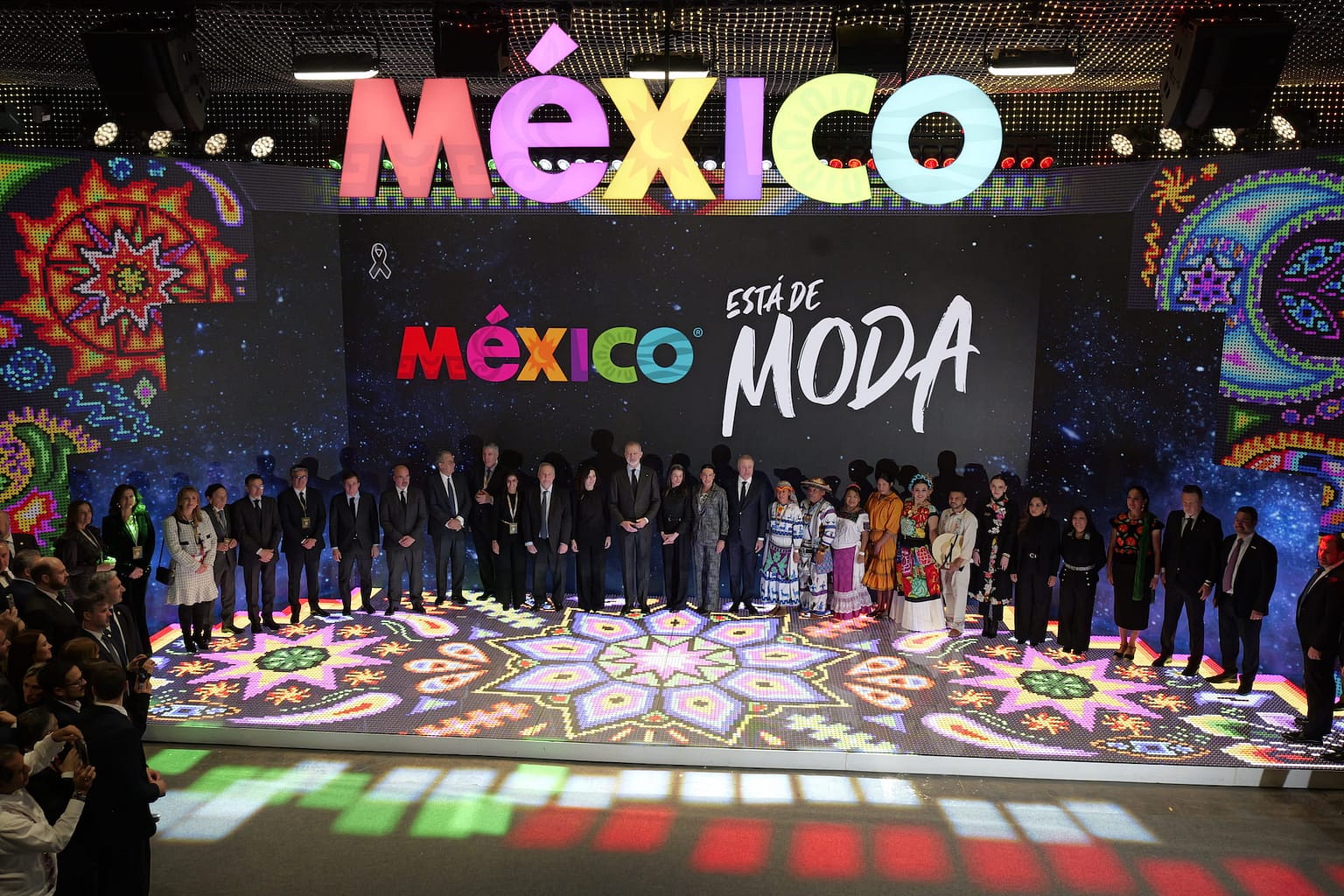
The prominence of the Mexico stand was further reinforced on the opening day of FITUR 2026, January 22, with the visit of Their Majesties King Felipe VI and Queen Letizia of Spain. In Hall 3 of IFEMA Madrid, the Royals toured the Mexican space and greeted the official delegation led by Mexico’s Secretary of Tourism, Josefina Rodríguez Zamora, as well as representatives of Indigenous communities, highlighting the country’s cultural diversity and strong sense of identity.
The presence of the Spanish Royal Family carried significant symbolic and diplomatic weight, particularly as it took place during a period of official mourning following a railway tragedy, and was widely interpreted as an important institutional gesture. During the visit, Mexico’s immersive and interactive stand—designed to showcase its cultural richness, Magical Towns and new tourism projects—served as the backdrop for a clear message: Mexico held a central role at this edition of the fair as Partner Country.
This official visit not only reinforced Mexico’s prominence at the world’s leading tourism trade fair, but also strengthened bilateral relations between Spain and Mexico, projecting the country as a leading and strategic tourism destination for the European market.
Business, connectivity and international projection
The stand was not only an exhibition space, but also a true business hub. Over the five days of the fair, strategic meetings were held with tour operators, airlines, investors and institutional representatives.
One of the key focus areas was air connectivity, with announcements and agreements aimed at strengthening routes between Mexico and Europe, facilitating tourism growth and improving accessibility in strategic markets.
Digital impact and global conversation
The impact of the stand extended far beyond the physical space. FITUR 2026 generated between 2 and 4 billion global impressions on social media, with conversations clearly dominated by positive narratives around Mexico.
Between 75% and 85% of mentions reflected positive sentiment associated with international projection, cultural richness and business opportunities.
Concepts such as sustainable tourism, investment, gastronomy, connectivity and Magical Towns were recurrent across digital conversations.
The stand’s visual design and immersive character played a decisive role in this online amplification.
A sustainable and inclusive tourism model
Another key message conveyed was Mexico’s commitment to a sustainable, inclusive and high-quality tourism model. The visual narrative and institutional content highlighted community-based tourism, heritage preservation and the involvement of local communities throughout the tourism value chain.
This approach resonated with a global trend that prioritizes authentic, responsible experiences with positive social impact.
A benchmark for the future of tourism events
The Mexico stand at FITUR 2026 established itself as a benchmark in exhibition design and country brand experience. Its ability to integrate technology, culture, business and emotion set a high standard for future editions of the fair and for other international destinations.
More than a showcase, the space functioned as a statement of intent: Mexico does not only want to be visited—it wants to be experienced.
Glam Cam at FITUR 2026: When the Experience Goes Far Beyond the Photobooth
At Glam Cam, we have spent years demonstrating that our offering goes far beyond the installation of photobooths. We are an experiential production and audiovisual solutions company, capable of transforming spaces into truly immersive environments.
The 2026 edition of FITUR was a clear demonstration of this vision.
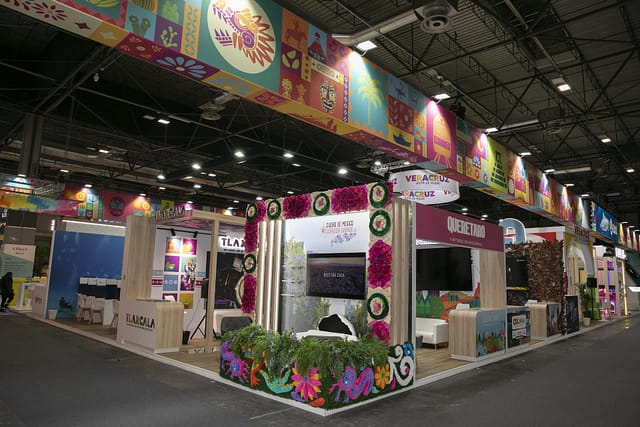
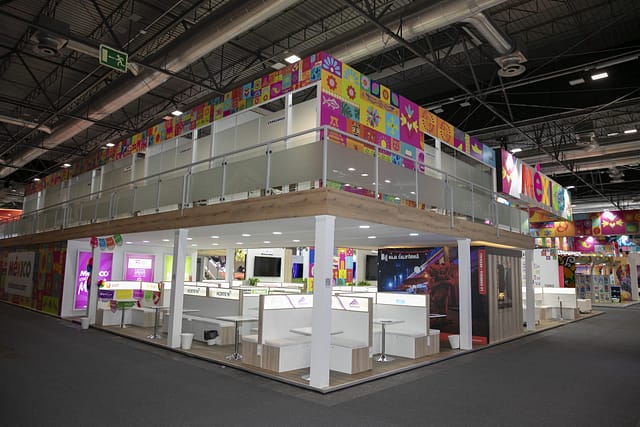
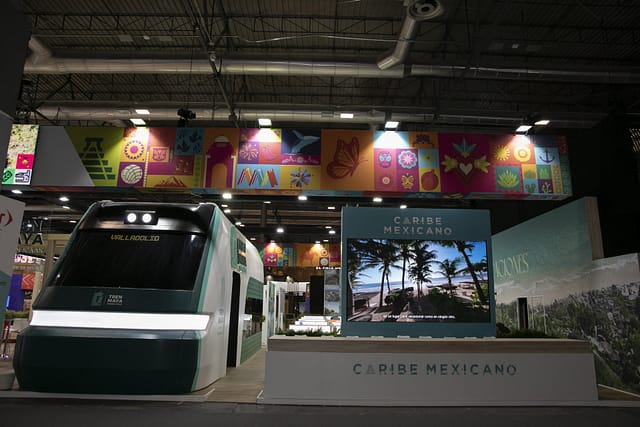
During the International Tourism Trade Fair held at IFEMA Madrid, Glam Cam was responsible for the production of the Mexico stand, as well as several institutional stands representing Mexican states—including Baja California, Querétaro and Mexico City—and the stand for Archipélago Hotels.
A closing worthy of its ambition
Mexico concluded its participation in FITUR 2026 with historic prominence, consolidating its leadership in the global tourism sector and leaving a lasting impression on the fair.
The stand was not only the largest and most visited in the Americas Pavilion, but also one of the most influential of the entire edition—proof that when design, storytelling and technology align, an exhibition space can become a truly transformative experience.